Best portable power stations for overnight cpap
A standard CPAP machine without a heated humidifier draws 30–60 W continuously. Adding heated humidification triples that. A 500 Wh unit covers most 8-hour nights; 1,000 Wh covers two nights even with humidification on low.
Top picks ranked for this scenario
Ranked by how close they are to the 700 Wh sweet spot for this use, then by Spec Reality Score. Minimum we'd consider: 300 Wh.
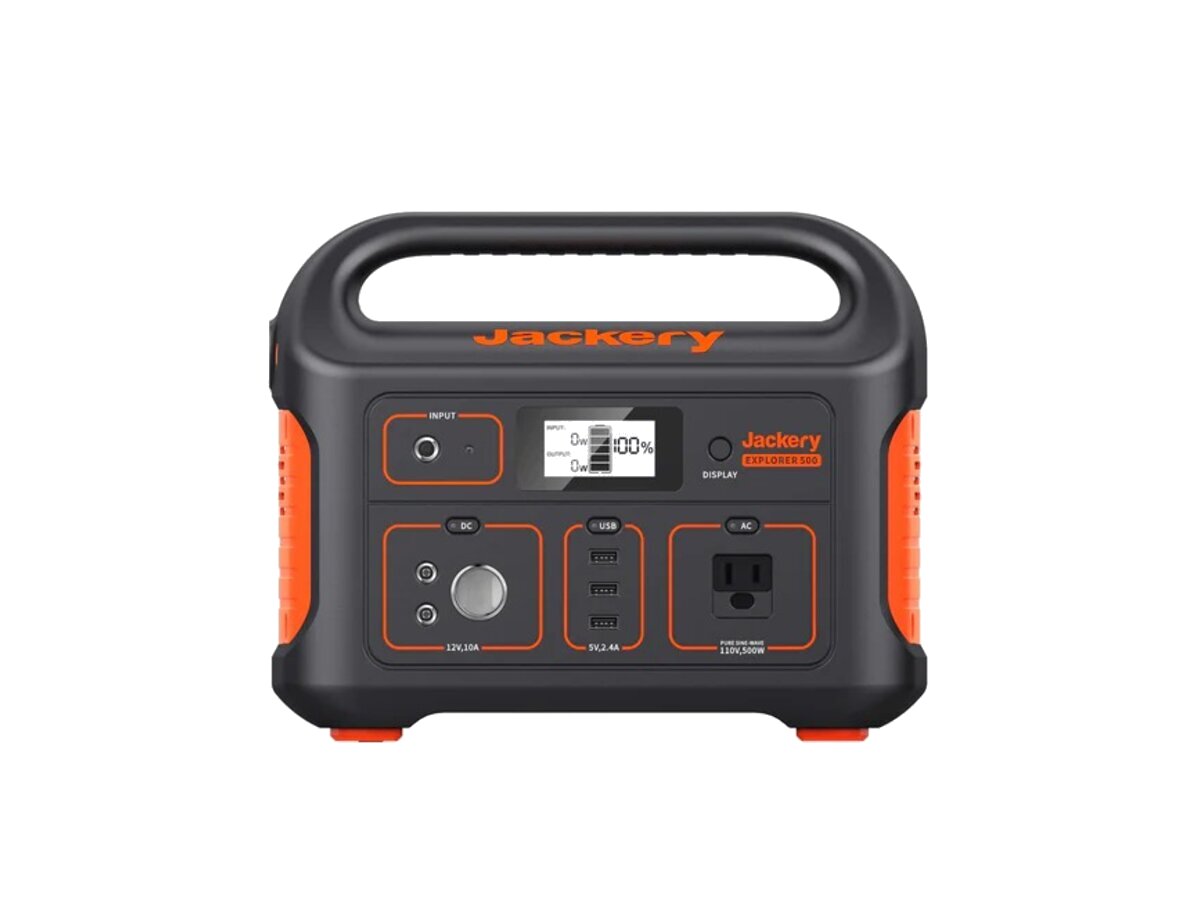
Explorer 500
Classic 500 Wh weekend companion — long-running model, lightweight at 13 lbs.
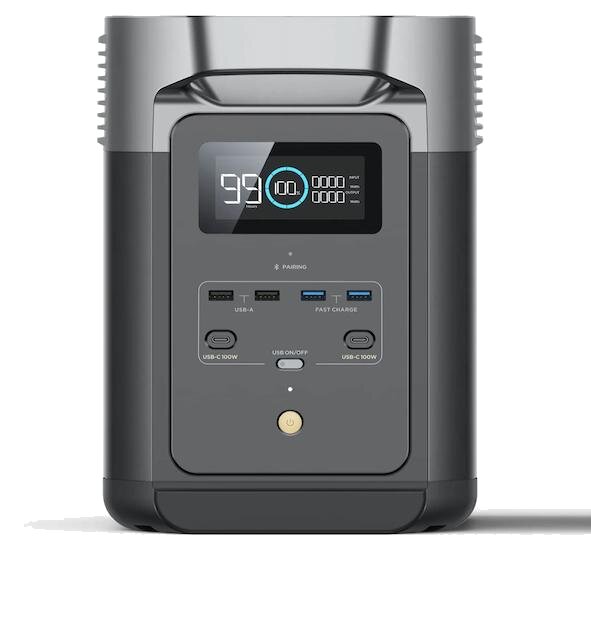
DELTA 2
Workhorse 1 kWh class — X-Stream fast charging, expandable up to 3 kWh.
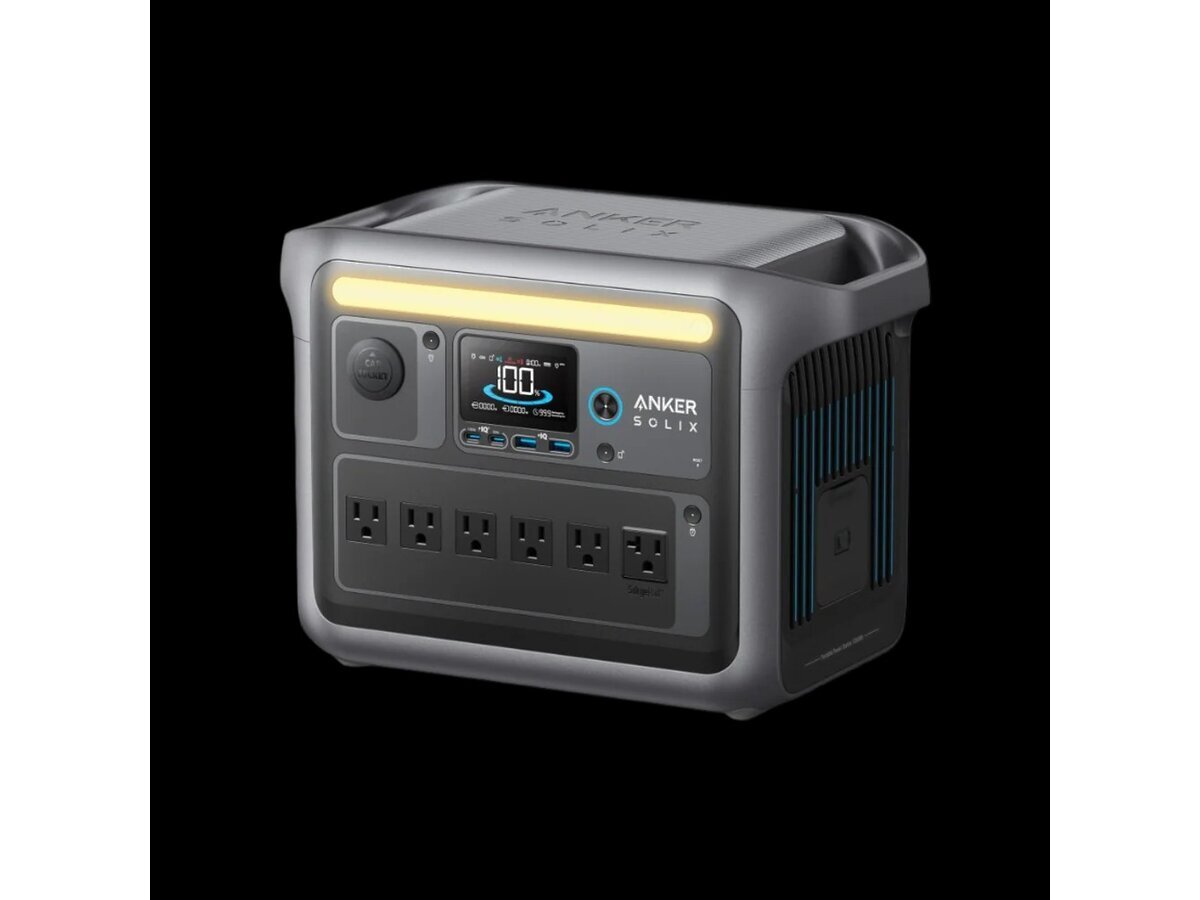
C1000
Best value 1 kWh — 58-minute full charge, SurgePad to 2,400 W, 28 lbs.
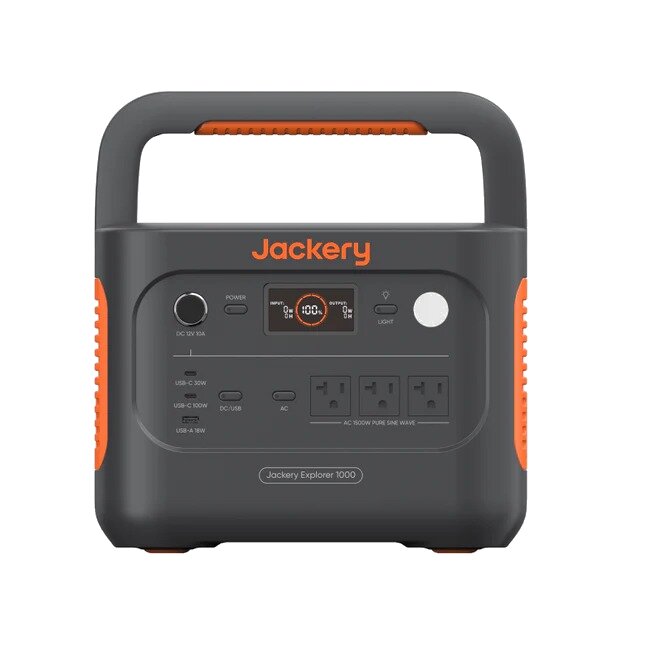
Explorer 1000 v2
Lightest 1 kWh LiFePO4 unit on the market — 23.8 lbs, app control, ChargeShield 2.0.
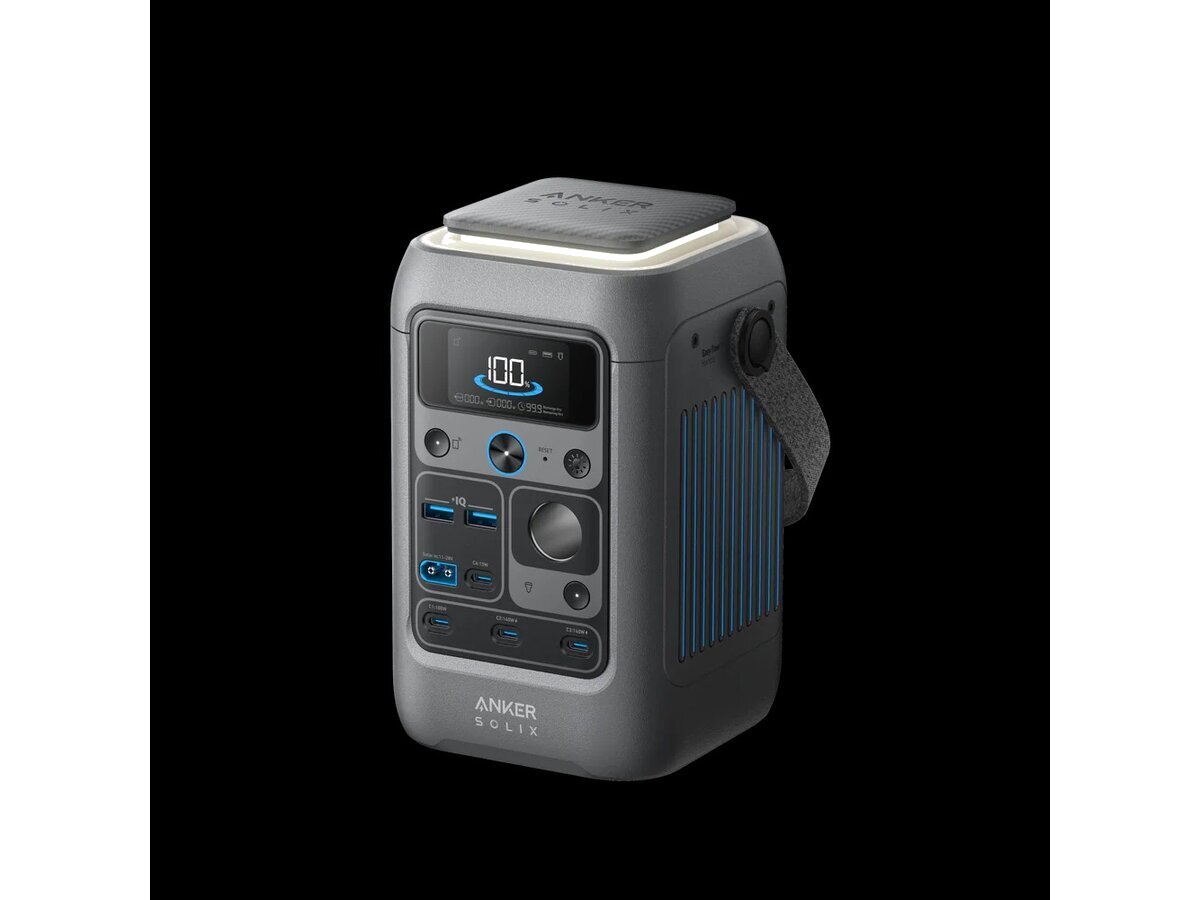
C300 DC
Ultralight 288 Wh — 9.2 lbs, 4 USB-C ports up to 140 W, perfect for laptops and phones.
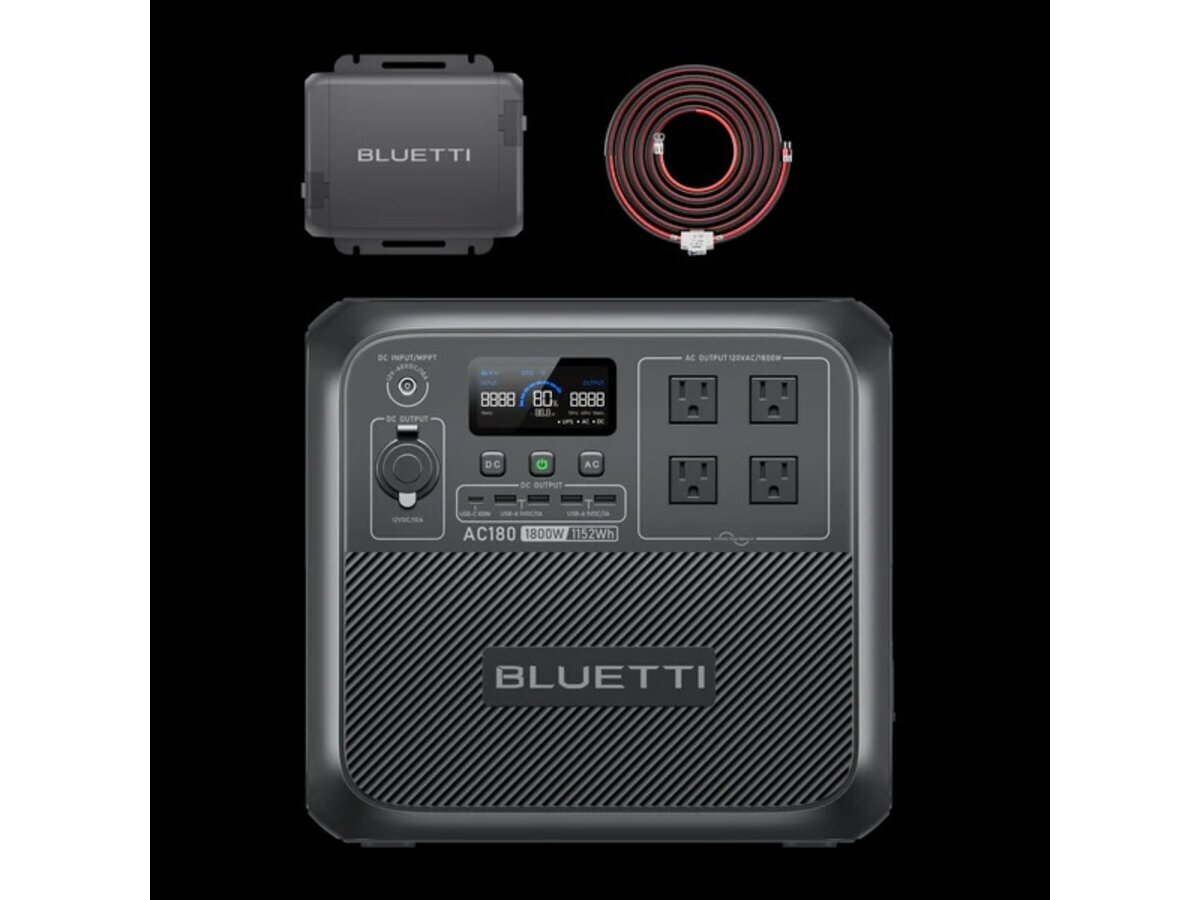
AC180
Compact 1.15 kWh with the fastest AC charging in its class — 1,440 W.
What you're actually powering
The runtime numbers above use a ~45 W average draw across the scenario's loads. Here's the breakdown:
| Device | Watts | Hours | Energy |
|---|---|---|---|
| CPAP without humidifier | 35 W | 8 hr | 280 Wh |
| CPAP with heated humidifier (low) | 80 W | 8 hr | 640 Wh |
| CPAP with heated humidifier (high) | 120 W | 8 hr | 960 Wh |
| BiPAP | 55 W | 8 hr | 440 Wh |
| Total daily energy | 2320 Wh |
What to look for
- Minimum capacity: 300 Wh. Below this, you'll be charging more than running.
- Sweet spot: ~700 Wh — leaves comfortable margin.
- AC outlets: at least 1.
Frequently asked questions
What size portable power station do I need for overnight cpap?
Minimum: 300 Wh. Sweet spot: 700 Wh. Below the minimum you'll spend more time charging than running things. Above the sweet spot you're paying for capacity you'll rarely use unless you regularly stretch trips longer or stack heavier loads.
How long can a 700 Wh unit handle these loads?
At the average draw of 45 W across the load mix above, a 700 Wh LiFePO4 unit runs about 12h 36m before a recharge. Real-world variance depends on temperature (cold cuts it by 5–15%) and how often surge loads kick in.
Is it safe to use a portable power station with a CPAP?
Yes, with the right unit. The non-negotiables are pure sine wave inverter (every unit in our database has this), enough capacity (300 Wh for basic CPAP, 700+ Wh if you run heated humidification), and quiet operation — the power station's fans shouldn't be louder than the CPAP itself. CPAP veterans on r/CPAP regularly recommend the EcoFlow River 3 for travel and the Bluetti AC180 for extended trips.
Can I bring a CPAP-rated power station on a plane?
No — TSA limits lithium batteries to 100 Wh in carry-on, and prohibits anything over 100 Wh in checked. Every unit in our database is well above that limit. Options: rent at your destination, ship via ground freight ahead of time, or use a smaller dedicated CPAP battery (Medistrom Pilot-12 Lite, around 95 Wh, FAA-approved).
Heads up: Some links on this page are affiliate links (marked with the partner). If you buy through them we earn a small commission — at no cost to you — which keeps the lights on. We don't get paid more for any specific recommendation.