Best portable power stations for home backup during blackout
Keep the fridge running, lights on, router up, and devices charged through a multi-hour outage. The fridge is the single biggest draw; cycling helps but adds up.
Top picks ranked for this scenario
Ranked by how close they are to the 2,000 Wh sweet spot for this use, then by Spec Reality Score. Minimum we'd consider: 1,000 Wh.
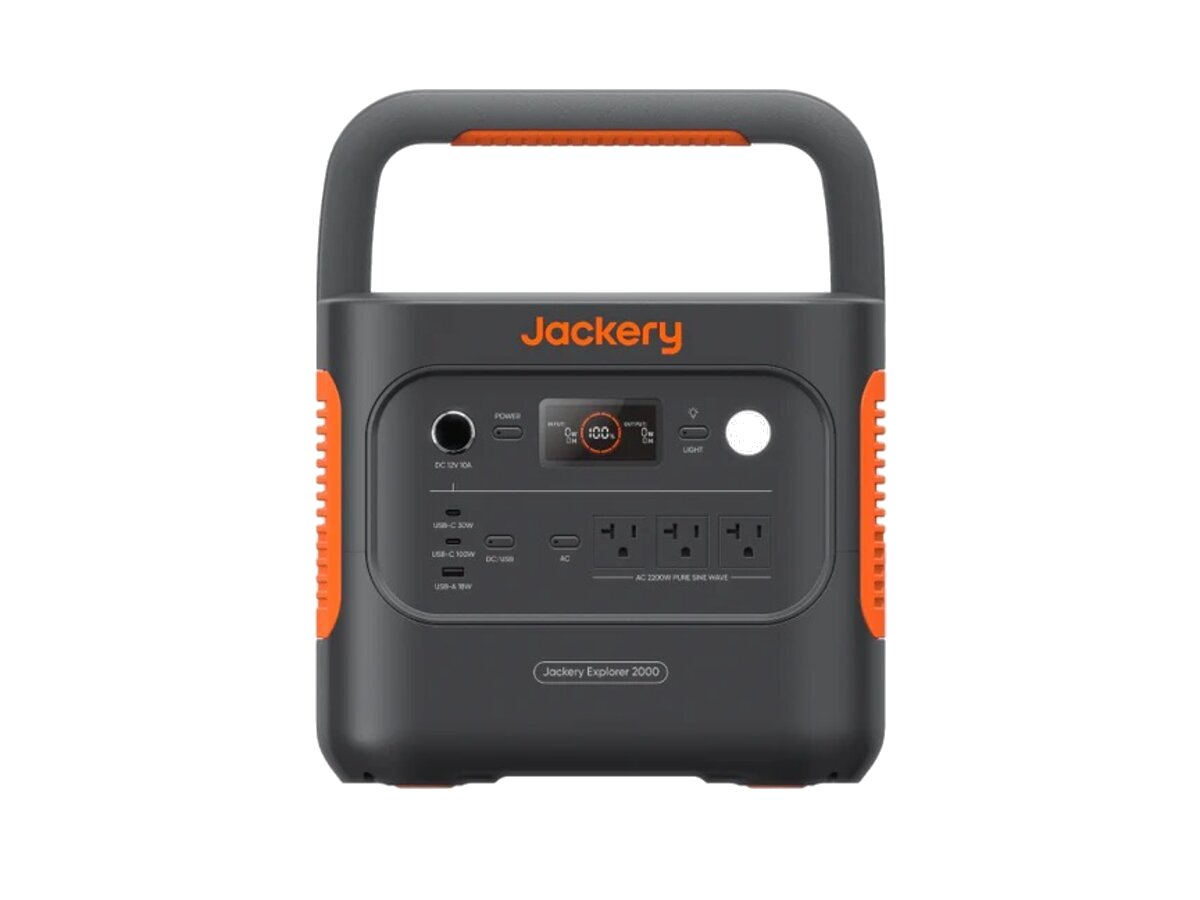
Explorer 2000 v2
Light-for-its-class 2 kWh — 39 lbs, foldable handle, fast AC charging.
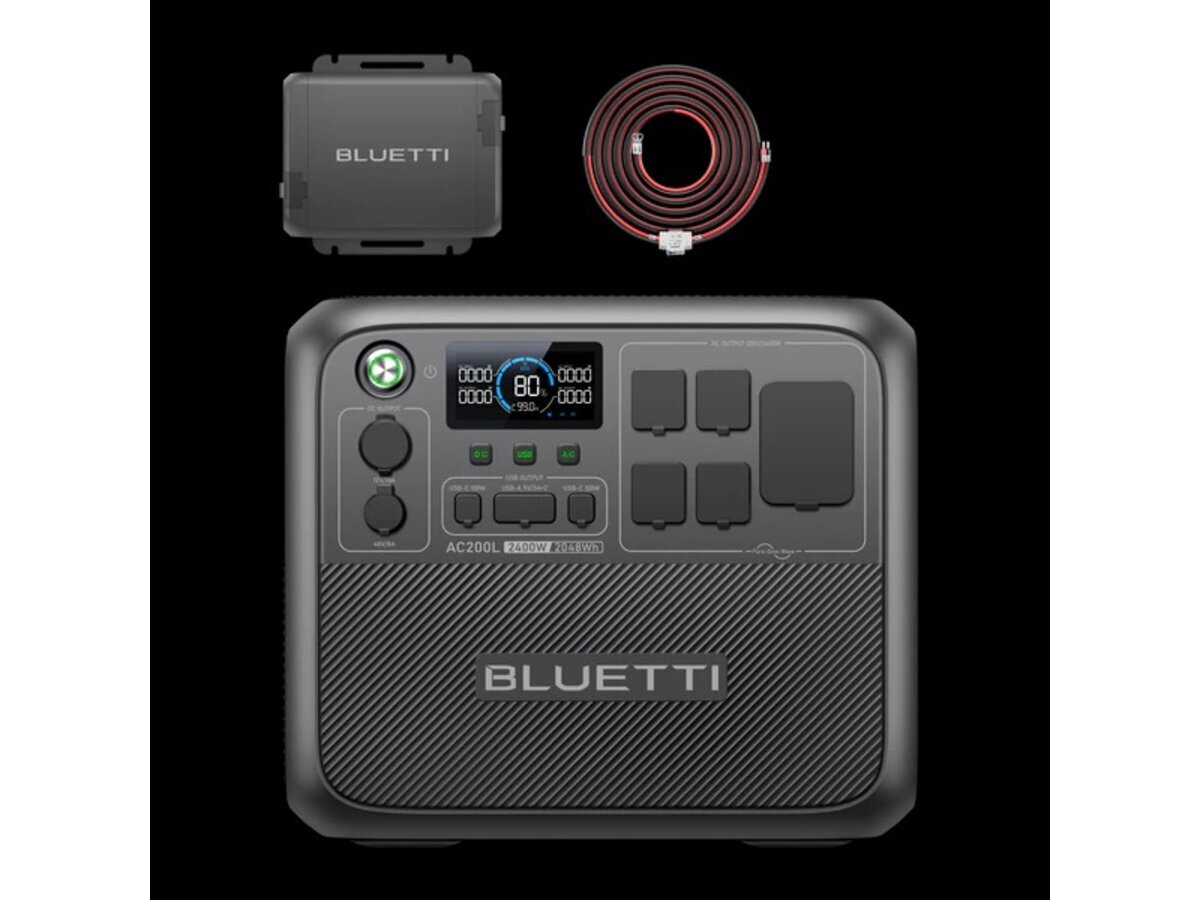
AC200L
2 kWh expandable to 8 kWh — 2,400 W inverter, 1,200 W solar input.
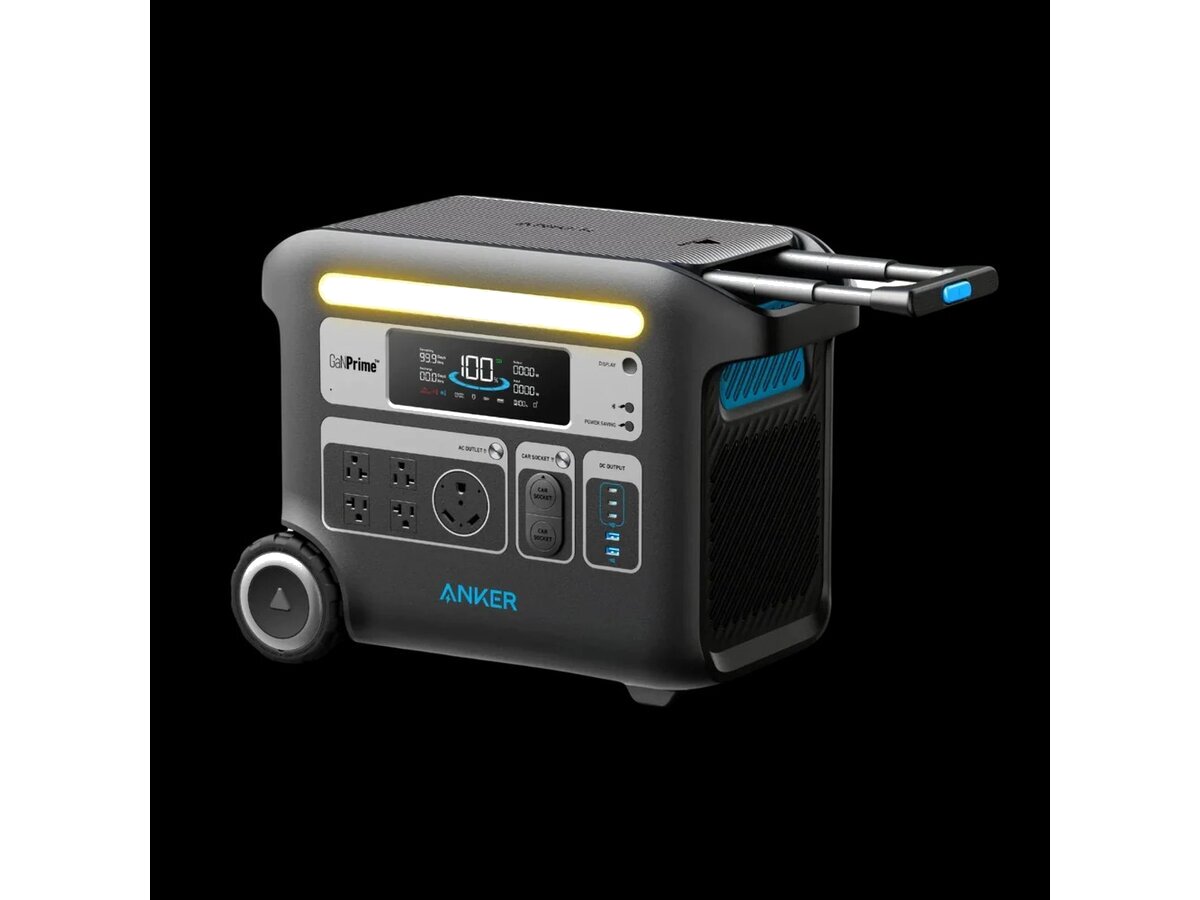
F2000 (PowerHouse 767)
2 kWh on wheels — 2,400 W inverter, expandable to 4 kWh, RV-ready 30 A outlet.
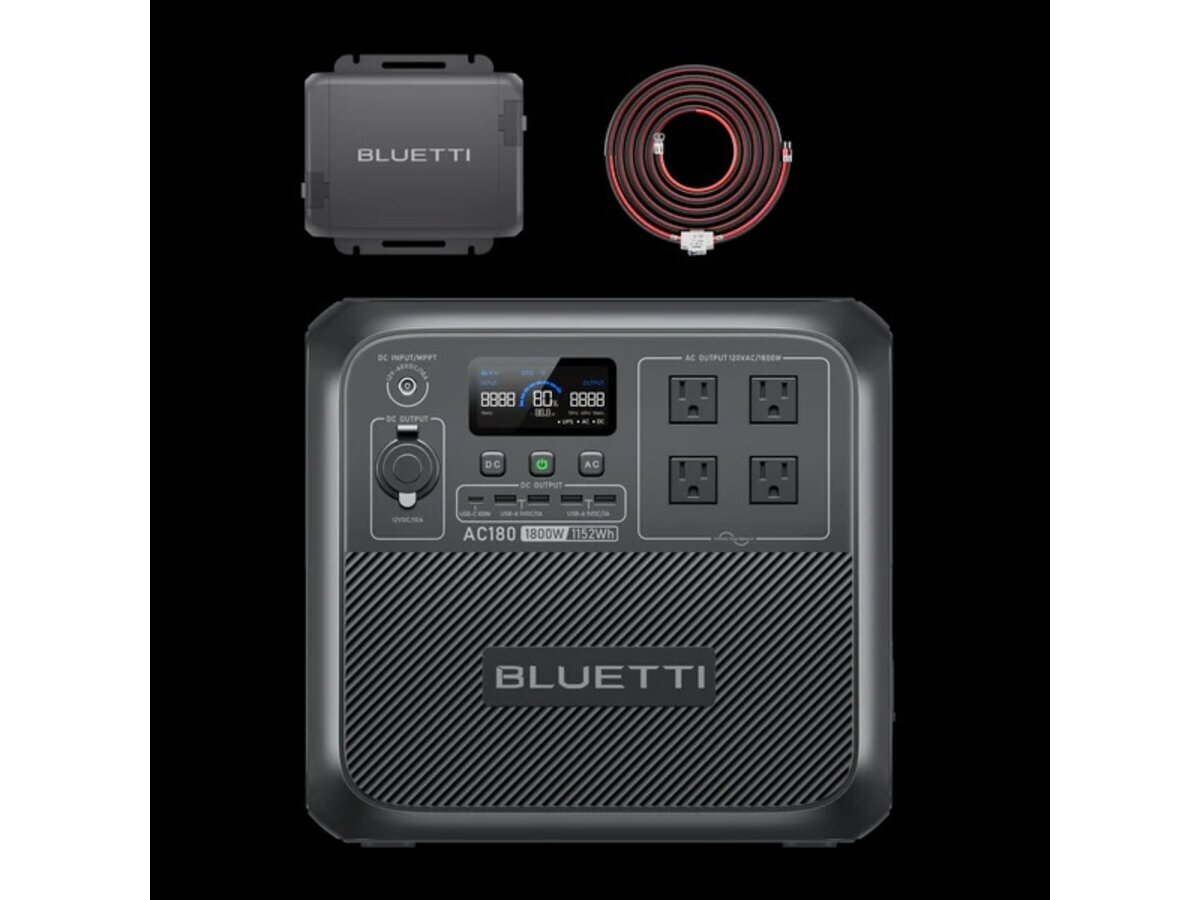
AC180
Compact 1.15 kWh with the fastest AC charging in its class — 1,440 W.
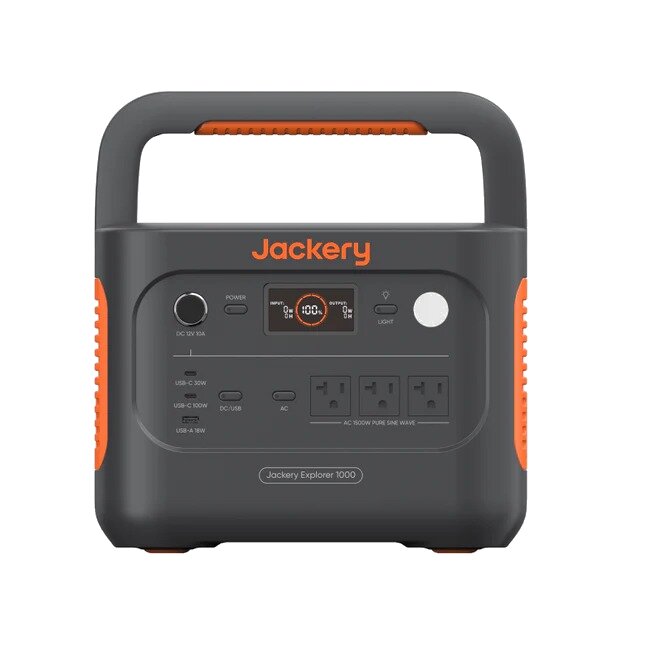
Explorer 1000 v2
Lightest 1 kWh LiFePO4 unit on the market — 23.8 lbs, app control, ChargeShield 2.0.
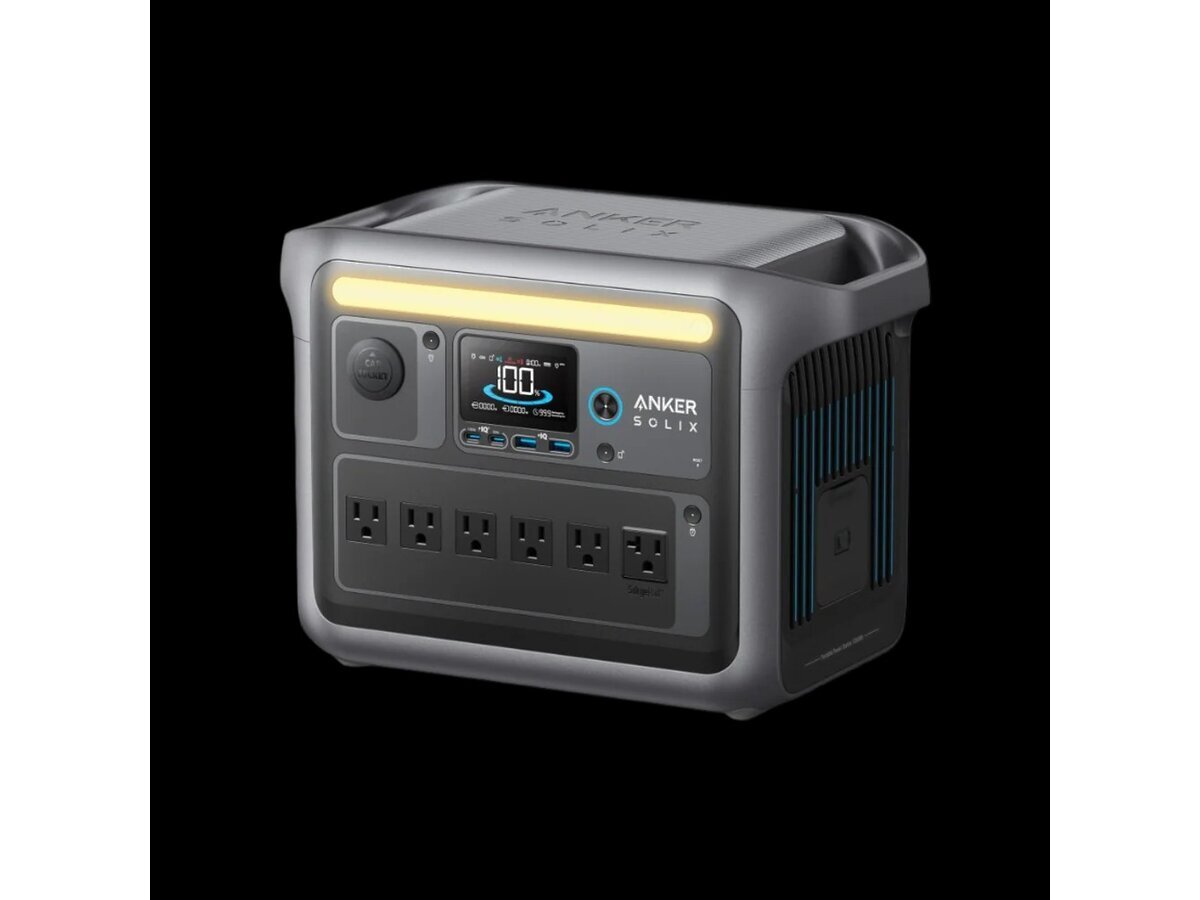
C1000
Best value 1 kWh — 58-minute full charge, SurgePad to 2,400 W, 28 lbs.
What you're actually powering
The runtime numbers above use a ~220 W average draw across the scenario's loads. Here's the breakdown:
| Device | Watts | Hours | Energy |
|---|---|---|---|
| Refrigerator (avg with cycling) | 120 W | 24 hr | 2880 Wh |
| Internet router + modem | 15 W | 24 hr | 360 Wh |
| LED lighting (6 bulbs) | 45 W | 6 hr | 270 Wh |
| Phone + laptop charging | 60 W | 4 hr | 240 Wh |
| Microwave (brief use) | 1100 W | 0.25 hr | 275 Wh |
| Total daily energy | 4025 Wh |
What to look for
- Minimum capacity: 1,000 Wh. Below this, you'll be charging more than running.
- Sweet spot: ~2,000 Wh — leaves comfortable margin.
- AC outlets: at least 3.
Frequently asked questions
What size portable power station do I need for home backup during blackout?
Minimum: 1,000 Wh. Sweet spot: 2,000 Wh. Below the minimum you'll spend more time charging than running things. Above the sweet spot you're paying for capacity you'll rarely use unless you regularly stretch trips longer or stack heavier loads.
How long can a 2,000 Wh unit handle these loads?
At the average draw of 220 W across the load mix above, a 2,000 Wh LiFePO4 unit runs about 7h 22m before a recharge. Real-world variance depends on temperature (cold cuts it by 5–15%) and how often surge loads kick in.
Can a portable power station replace a whole-home generator?
For short outages (under 24 hours) running just essential loads — yes. For full-home backup with HVAC and well pump, you need either a Delta Pro 3 / AC300 class unit plus expansion batteries ($4,000+), or a true standby generator. Most homeowners get 80% of the practical value at 20% of the cost by running just the fridge, lights, internet, and chargers off a 2 kWh portable.
How do I connect it to my home wiring?
Don't try to backfeed a wall outlet — that's a code violation and a real electrocution risk to utility linemen restoring power. Use extension cords from the power station to the appliances directly. If you want a "flip a switch" experience, hire a licensed electrician to install a transfer switch with an inlet socket — typically $400–$800 installed.
Heads up: Some links on this page are affiliate links (marked with the partner). If you buy through them we earn a small commission — at no cost to you — which keeps the lights on. We don't get paid more for any specific recommendation.