Best portable power stations for refrigerator power
A modern Energy Star fridge draws 80–150 W when the compressor is running, but only runs ~40% of the time. Effective average is closer to 50–80 W. Surge at startup can hit 600–1,200 W, so check your unit's surge rating.
Top picks ranked for this scenario
Ranked by how close they are to the 2,000 Wh sweet spot for this use, then by Spec Reality Score. Minimum we'd consider: 1,000 Wh.
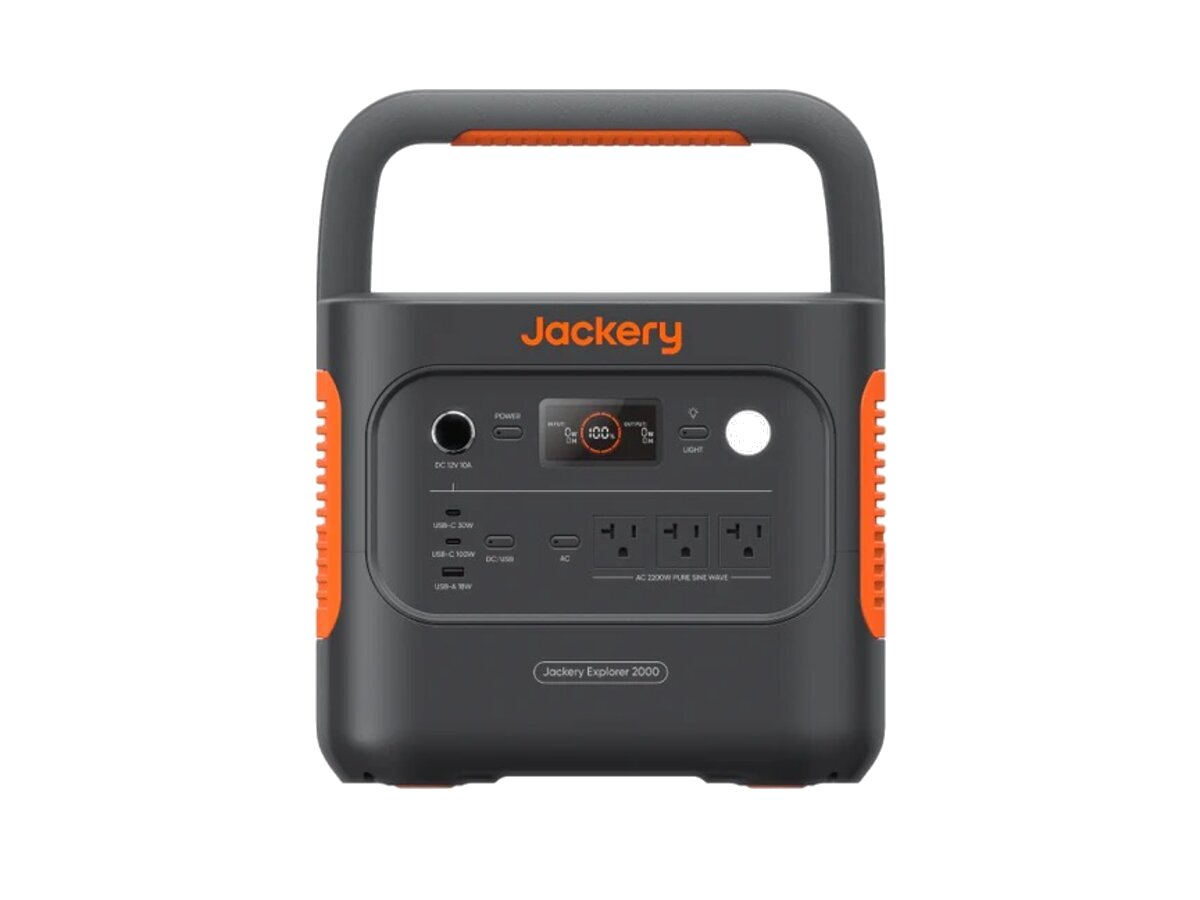
Explorer 2000 v2
Light-for-its-class 2 kWh — 39 lbs, foldable handle, fast AC charging.
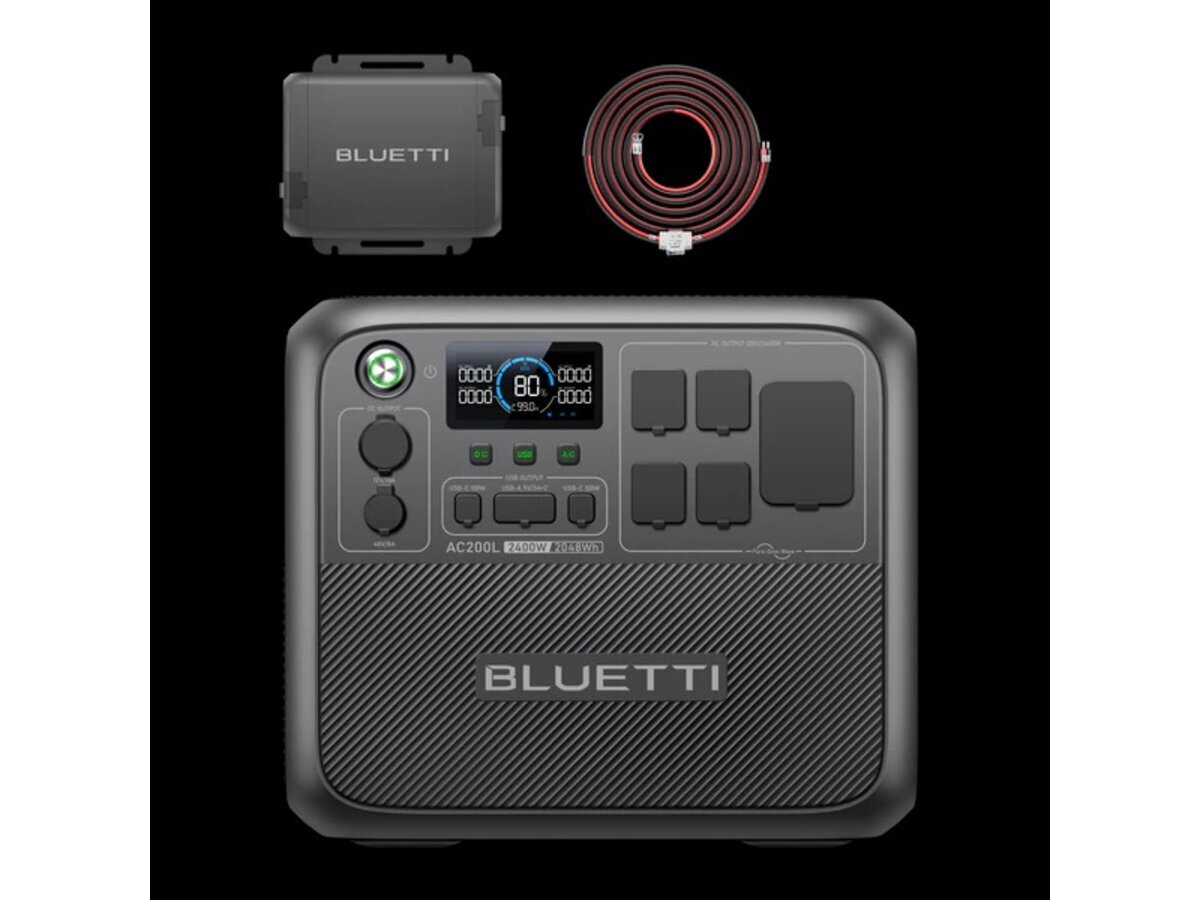
AC200L
2 kWh expandable to 8 kWh — 2,400 W inverter, 1,200 W solar input.
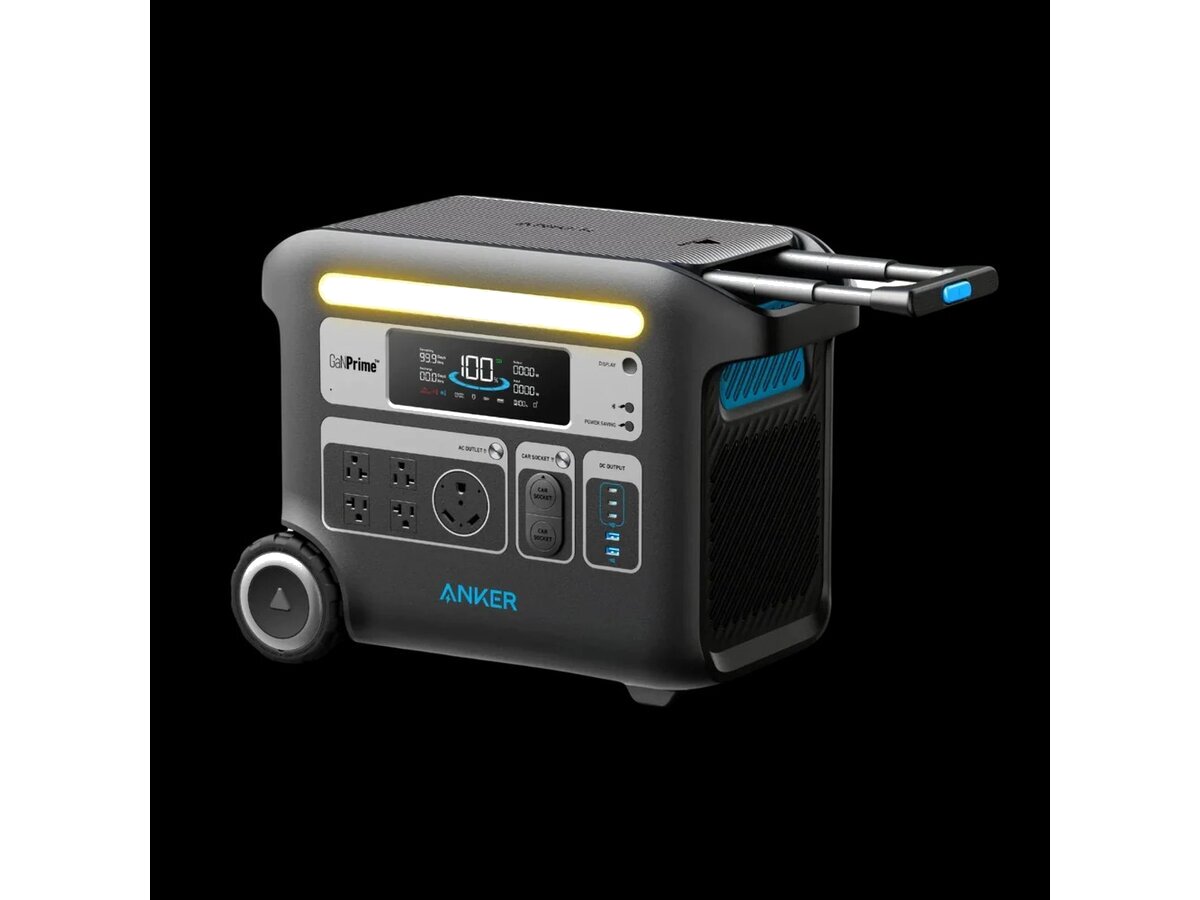
F2000 (PowerHouse 767)
2 kWh on wheels — 2,400 W inverter, expandable to 4 kWh, RV-ready 30 A outlet.
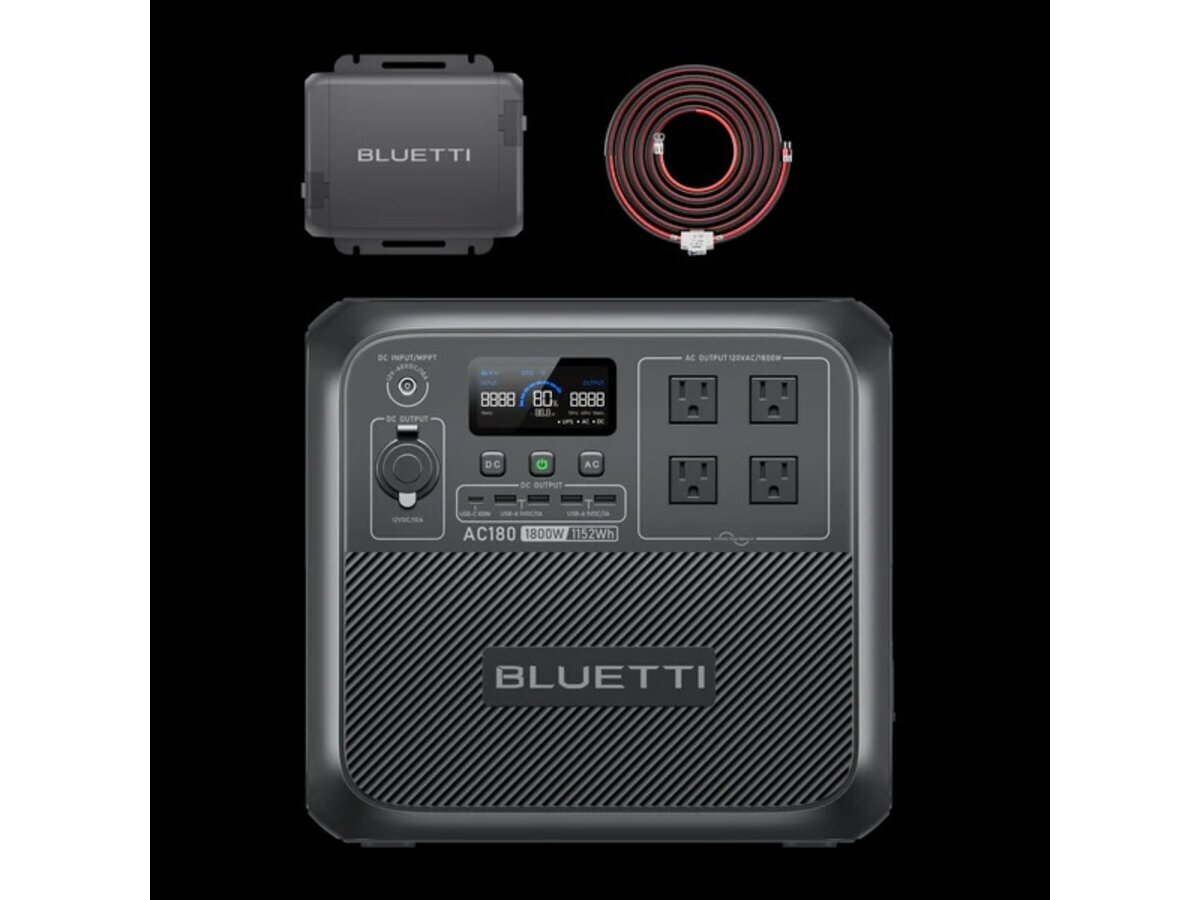
AC180
Compact 1.15 kWh with the fastest AC charging in its class — 1,440 W.
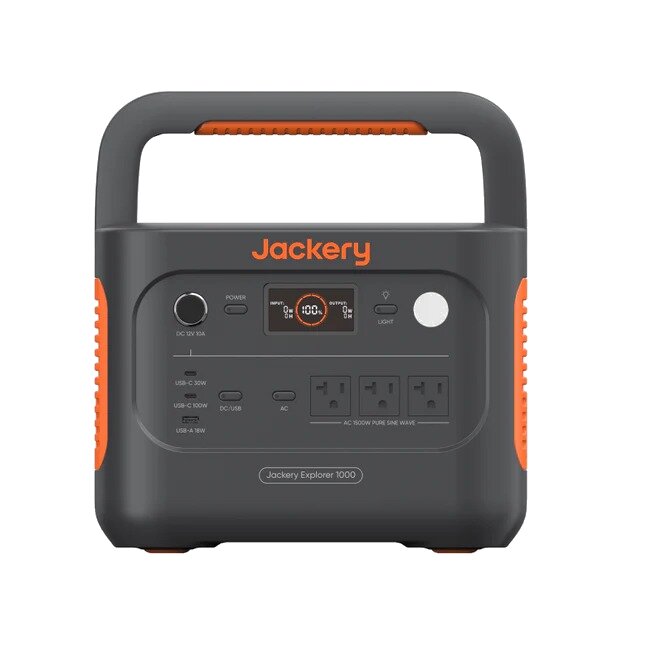
Explorer 1000 v2
Lightest 1 kWh LiFePO4 unit on the market — 23.8 lbs, app control, ChargeShield 2.0.
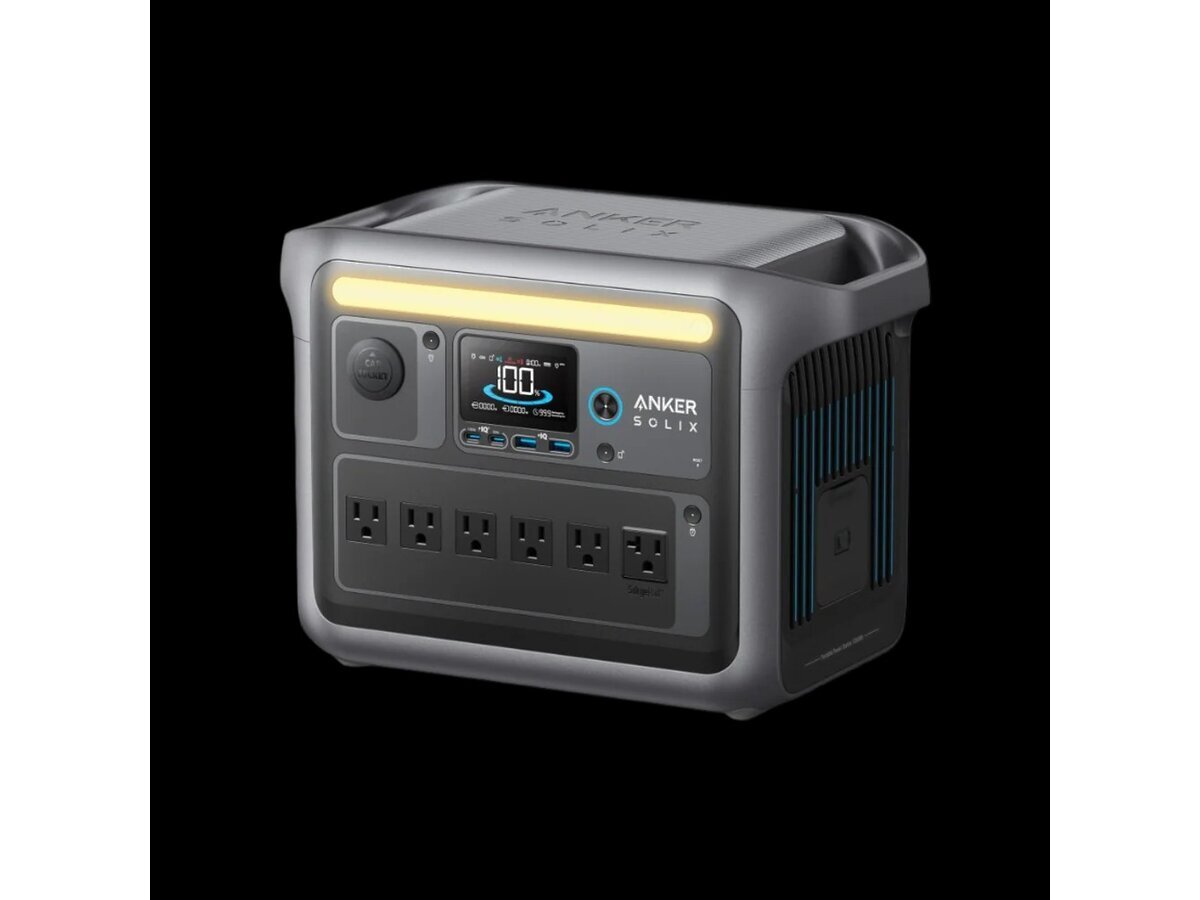
C1000
Best value 1 kWh — 58-minute full charge, SurgePad to 2,400 W, 28 lbs.
What you're actually powering
The runtime numbers above use a ~100 W average draw across the scenario's loads. Here's the breakdown:
| Device | Watts | Hours | Energy |
|---|---|---|---|
| Mini fridge (compressor) | 80 W | 24 hr | 1920 Wh |
| Full-size fridge (compressor avg) | 120 W | 24 hr | 2880 Wh |
| Chest freezer | 100 W | 24 hr | 2400 Wh |
| Wine fridge | 90 W | 24 hr | 2160 Wh |
| Total daily energy | 9360 Wh |
What to look for
- Minimum capacity: 1,000 Wh. Below this, you'll be charging more than running.
- Sweet spot: ~2,000 Wh — leaves comfortable margin.
- AC outlets: at least 1.
- Pure sine wave inverter: required for fridge compressors and sensitive medical devices.
- Surge capacity: at least 1,200 W to start motors/compressors.
Frequently asked questions
What size portable power station do I need for refrigerator power?
Minimum: 1,000 Wh. Sweet spot: 2,000 Wh. Below the minimum you'll spend more time charging than running things. Above the sweet spot you're paying for capacity you'll rarely use unless you regularly stretch trips longer or stack heavier loads.
How long can a 2,000 Wh unit handle these loads?
At the average draw of 100 W across the load mix above, a 2,000 Wh LiFePO4 unit runs about 16h 12m before a recharge. Real-world variance depends on temperature (cold cuts it by 5–15%) and how often surge loads kick in.
Will it survive the compressor startup surge?
Most modern compressor fridges spike to 1,000–1,200 W for a fraction of a second when starting. Any unit with ≥1,500 W continuous and ≥1,800 W surge handles this easily. Smaller units (under 500 W continuous) may fail to start a full-size fridge or cycle in protective shutdown. Mini-fridges and DC compressor fridges spike at only 300–500 W and run fine on smaller units.
How long can a portable power station keep a fridge cold?
Longer than the spec sheet math suggests. A 120 W refrigerator with the compressor running 40% of the time averages around 50 W draw. So a 1 kWh unit gives you ~16 hours of fridge-cold; a 2 kWh unit gets you 30+ hours. The trick: don't open the door. Each open cycle resets the compressor's duty cycle and burns capacity fast.
Do I need a pure sine wave inverter for this?
Yes. Refrigerator compressors, oxygen concentrators, CPAPs, and induction motors all need pure sine wave AC to run safely. Modified sine wave units — common in cheap Amazon listings — cause overheating, audible buzzing, and shortened motor life. Every unit in our database uses pure sine wave; budget Amazon brands sometimes don't, so check the spec sheet before buying off-database.
Heads up: Some links on this page are affiliate links (marked with the partner). If you buy through them we earn a small commission — at no cost to you — which keeps the lights on. We don't get paid more for any specific recommendation.